Fellow Reflections: Bret Windhauser

By Bret Windhauser (Spring 2025 Seminar Fellow; Summer 2025 Travel Fellow; Fall 2025 Teaching Fellow)
My participation in the CACI program has proven instrumental in significantly expanding both my knowledge base and pedagogical competency in teaching Chinese history to my students. This professional development program serves a critical function by providing educators who do not specialize in China within their primary academic discipline with structured opportunities to learn research-informed pedagogical approaches for presenting complex content related to China in their classrooms.
As an instructor with a minimal formal background in East Asian history, I have consistently found myself assigned to teach World History courses that include China as a substantial and essential component of the curriculum. Initially, this responsibility presented considerable challenges, as the depth and breadth of Chinese historical content required for these courses extended well beyond my graduate training and areas of specialization. However, my involvement with the CACI program has systematically addressed these professional development needs through a multi-faceted approach that combined mentorship, collaborative learning, and experiential education.
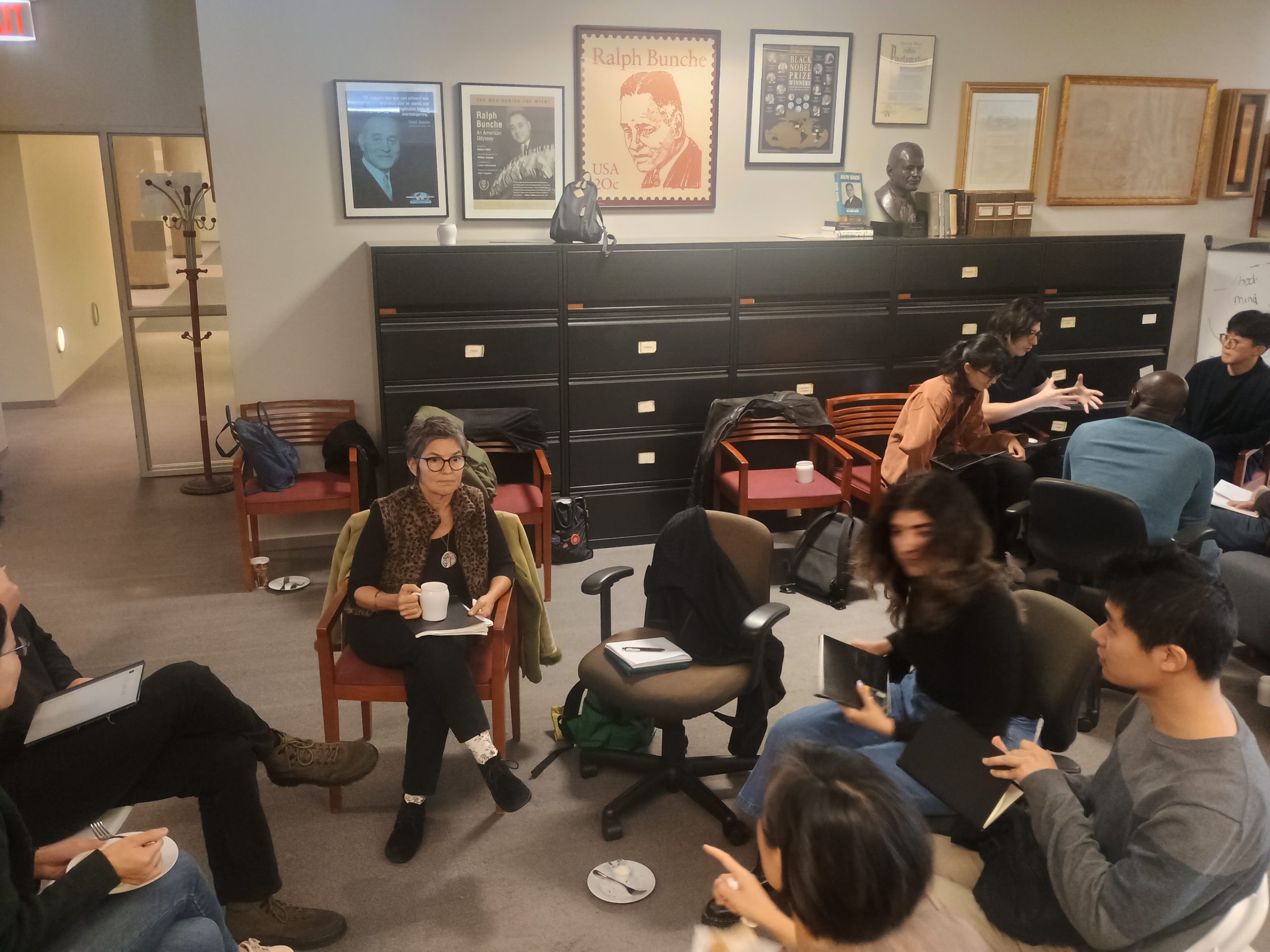
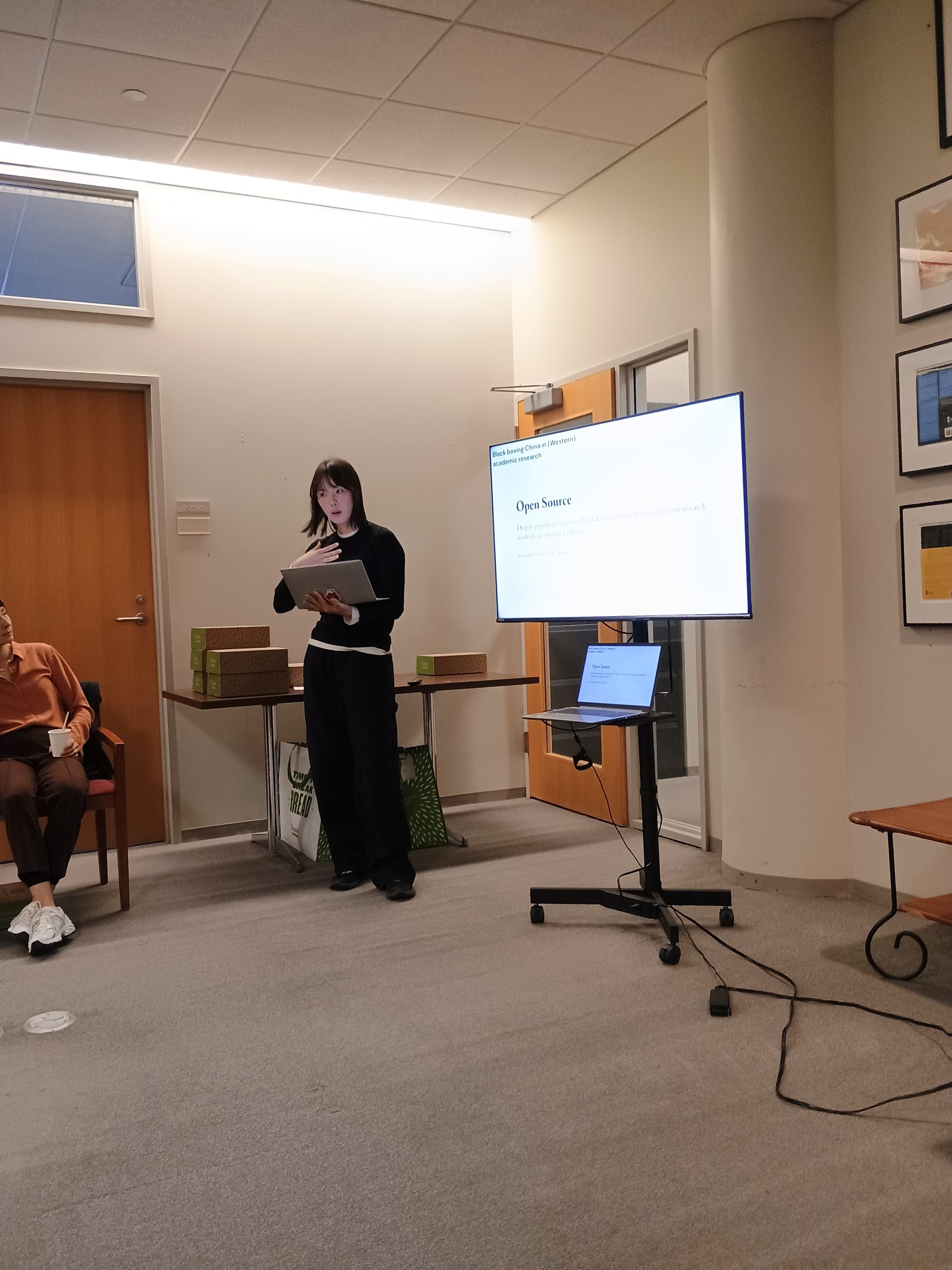
The CACI program distinguished itself through its thoughtful structure, which paired me with experienced advisors who possess deep expertise in Chinese history and pedagogy, while simultaneously facilitating seminars that created a collaborative community of practice. These seminars provided invaluable opportunities to discuss the specific challenges and limitations I encountered with fellow educators facing similar circumstances. This peer learning environment proved especially beneficial, as it normalized the experience of teaching outside one’s primary specialization while offering practical strategies for addressing common pedagogical obstacles.
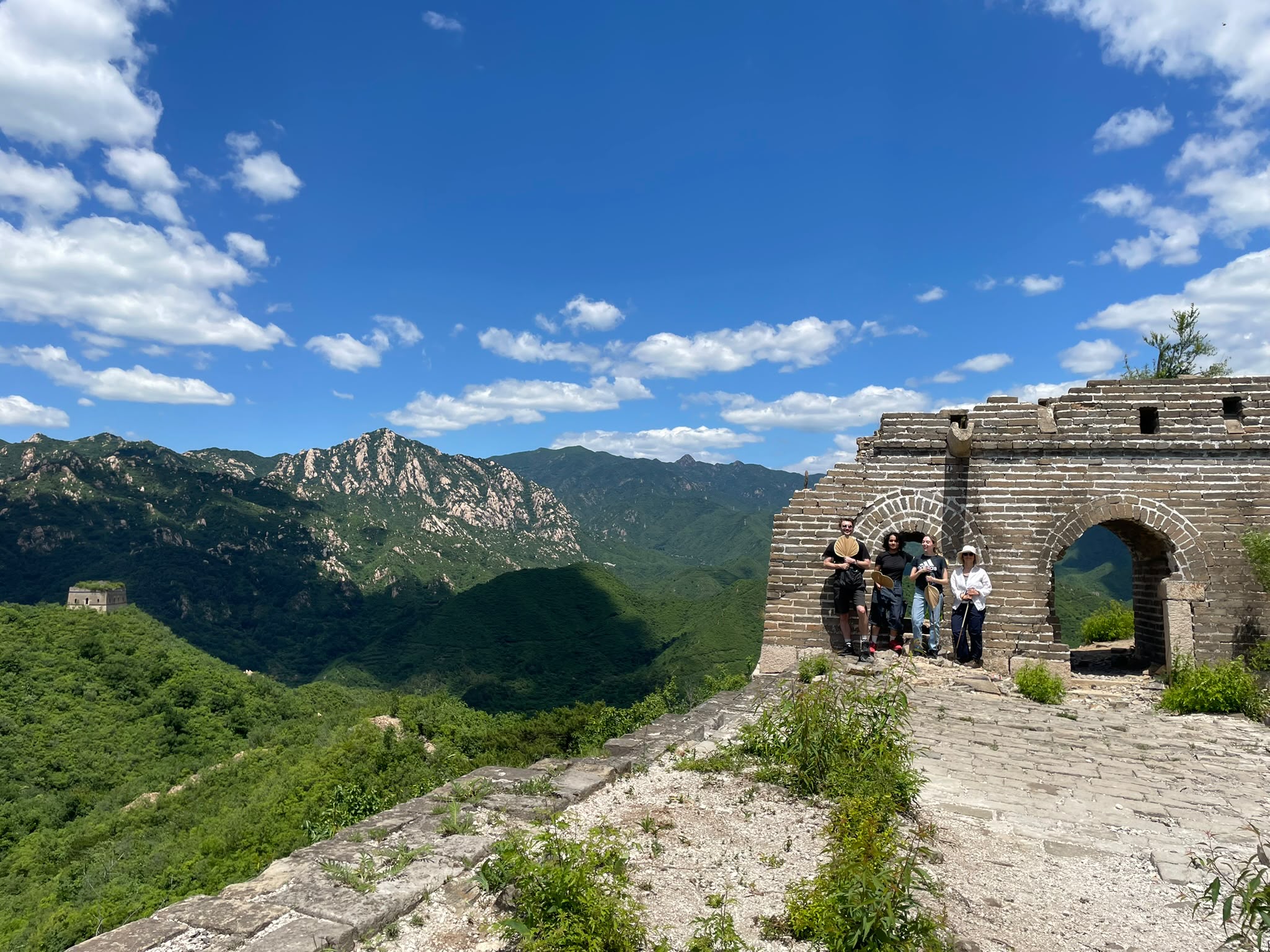
During my tenure as a CACI fellow, I held appointments as both a seminar fellow and a teaching fellow, roles that complemented one another and deepened my engagement with the program’s resources and community. Furthermore, I received a travel grant that enabled me to undertake an intensive study tour to China during the summer of 2025. This opportunity for direct engagement with Chinese historical sites, museums, and cultural institutions represented a transformative component of my professional development.

Through the fellowship’s structured mentorship component, I benefited from the guidance of distinguished professors across the CUNY system who generously shared their expertise regarding effective strategies for incorporating Chinese historical content into my existing syllabi. These advisors not only helped me identify appropriate topics and themes but also provided concrete curricular materials, including primary source documents, scholarly articles, and innovative activity designs that I could readily adapt for in-class implementation. Without the sustained guidance and intellectual support of my advisors, I would have faced substantial difficulties in determining how to approach these complex topics with appropriate historical depth while maintaining pedagogical accessibility for undergraduate students.

With the comprehensive support provided through the CACI program, I have successfully developed a range of instructional materials covering diverse aspects of Chinese history. These materials address topics ranging from the sophisticated financial innovations of historic Chinese banking systems and the complex socio-economic phenomenon of piracy during the Qing dynasty, to China’s multifaceted experiences and roles during World War II. Each of these units has been designed to convey factual historical content and develop students’ ability to understand historical processes within appropriate cultural contexts.
The travel grant component of my fellowship proved particularly valuable in enhancing the authenticity and depth of my teaching. During my time in China, I visited historically significant sites that were directly connected to the content I teach, including the remarkably preserved old banking houses in Pingyao, which provided tangible insights into the financial systems I discuss in class, and the Sihang Factory in Shanghai, a crucial site for understanding China’s resistance during the Second Sino-Japanese War. Additionally, I utilized this opportunity to conduct visits to major museums in Beijing, Xi’an, and Shanghai, where I examined artifacts, interpretive exhibits, and curatorial approaches that have subsequently informed my classroom presentations and helped bring historical content to life for my students. I now approach the teaching of Chinese history with significantly greater confidence, nuance, and pedagogical sophistication than would have been possible without this structured support.
Bret Windhauser is a third-year PhD student in the History Department, focusing on the British Mandate of Iraq. His current work examines smuggling and illicit movement around the region of the Persian Gulf. More broadly, he is interested in the intersection of criminality, health, and religion during periods of European colonization and imperialism.