Fellow Reflections: Firat Koklu
By Firat Koklu (Spring 2026 Seminar Fellow)
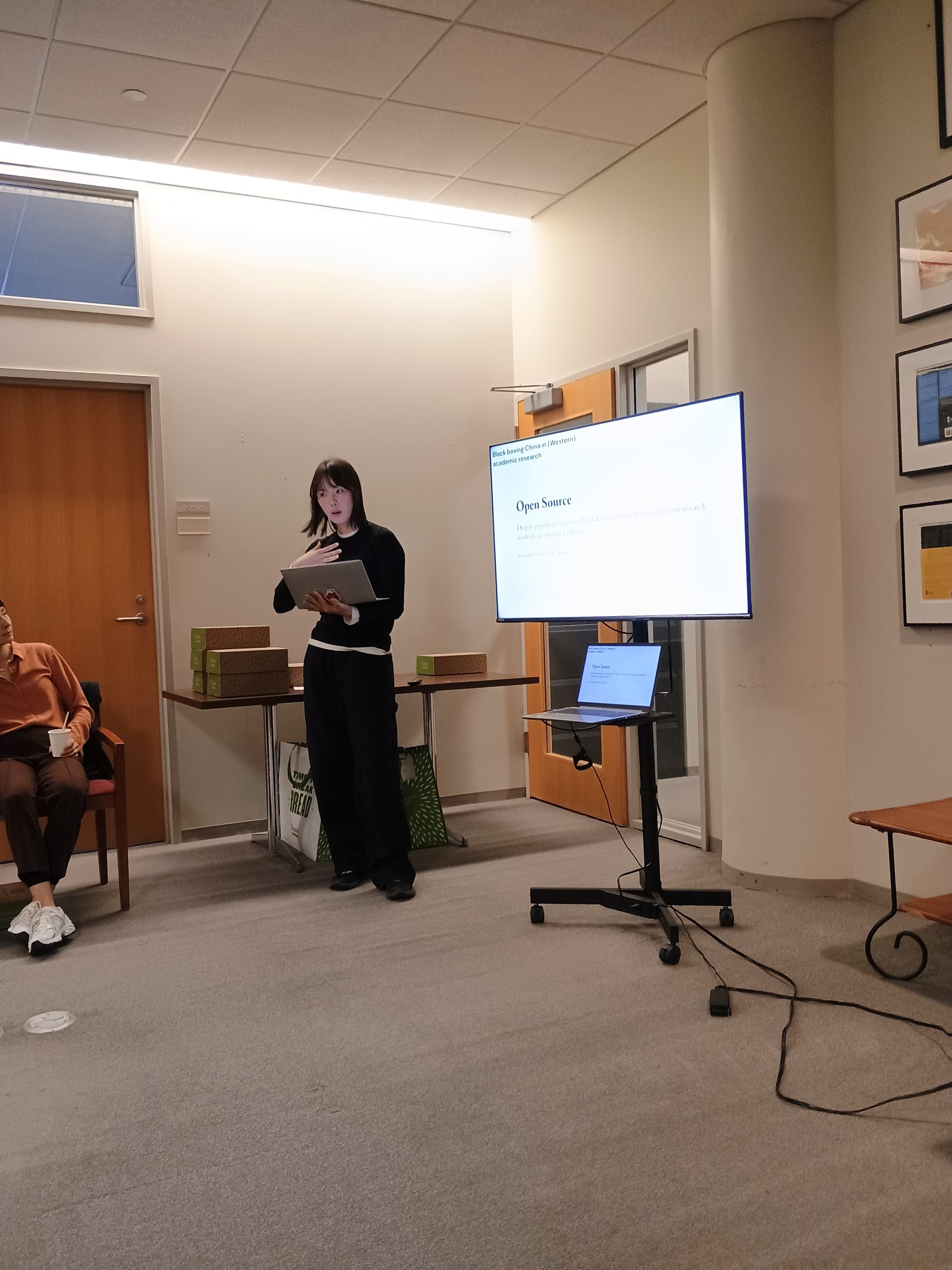
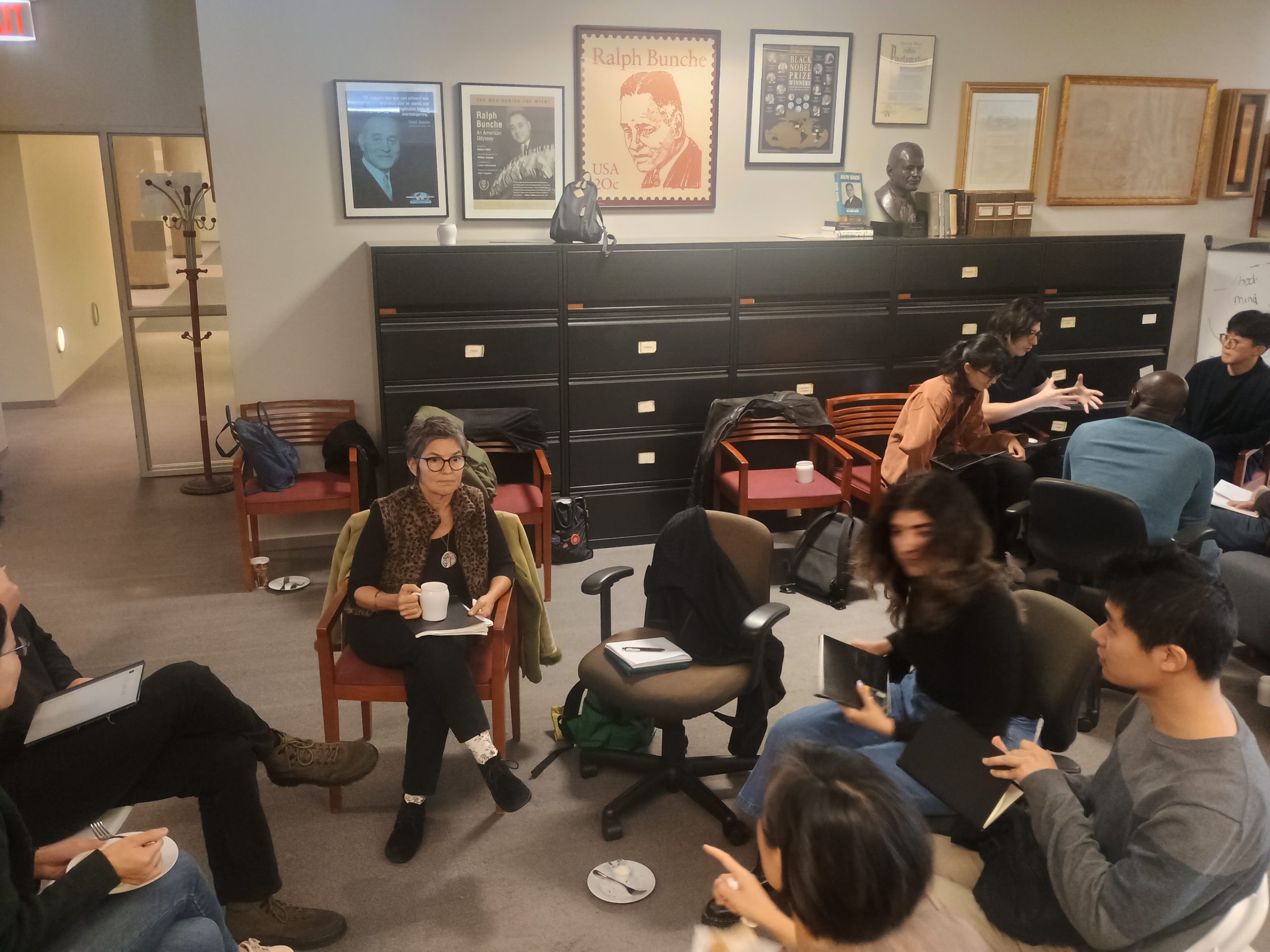
I was not sure what to expect when I first joined the CACI seminar. My academic world, as a historian of the Ottoman Empire and the modern Middle East, revolves around labor migration, legal regimes, and the multilayered workforces they produce. China felt far from all of that. What I found, however, was that the seminar opened up a set of comparisons and connections that I had not anticipated and that have already begun to shape both my own research and teaching. Along the way, I also reflected on how teaching and studying historical subjects in isolation, merely with a focus on one particular geography and time period, reduces our chances to make global connections across societies and cultures. Throughout this period, as a CACI seminar fellow, I came to the realization of the importance of talking about global connections and the dialectical impact of human societies, particularly on and of China. And all these happened while I met and shared meals with wonderful people from different disciplines, focusing on different geographies, time periods, and subjects, but all welcoming and engaging.
The session that stood out the most to me intellectually was the lecture on Confucian perspectives on grief. I came in knowing little about the subject, and I left fascinated, not only by the content itself but by how effectively the class was structured to draw participants into an unfamiliar topic and make it feel meaningful and intellectually urgent. Participating in that session made me think about my own teaching too. How do you scaffold a subject that seems distant, and even exotic, to students who lack enough background to ground it, and help them find the stakes in it? That is a challenge I face regularly when teaching Ottoman and Islamic history to undergraduate students at CUNY, and seeing it navigated so skillfully was instructive.
The two class observations I participated in were equally valuable. Both sessions, one on China-US relations and one on China’s growing influence in Latin America, gave me the opportunity to reflect on how to teach politically loaded subjects in ways that are rigorous but accessible, and how to use active learning strategies to keep students engaged with material that is unfamiliar to them. Observing other instructors work through these challenges was one of the most practically useful parts of the fellowship for me.
The sessions and discussions around the Belt and Road Initiative also prompted a broader intellectual shift. Thinking about China’s contemporary global role made me contemplate the fact that China is not simply a newly emerging power in a multipolar world order but a historically significant civilization with a deep and lasting impact on world history, one that shaped the very regions and periods that I teach. This realization directly influenced how I approach my Islamic Civilizations course. Even though integrating China content was not a formal expectation for seminar fellows, I began incorporating it into my teaching, not as a standalone topic but as part of a transimperial framework centered on the circulation of people, ideas, technologies, and commodities across Afro-Eurasia. The Silk Road became a way to show students how China was not peripheral to the histories they were studying but central to them.
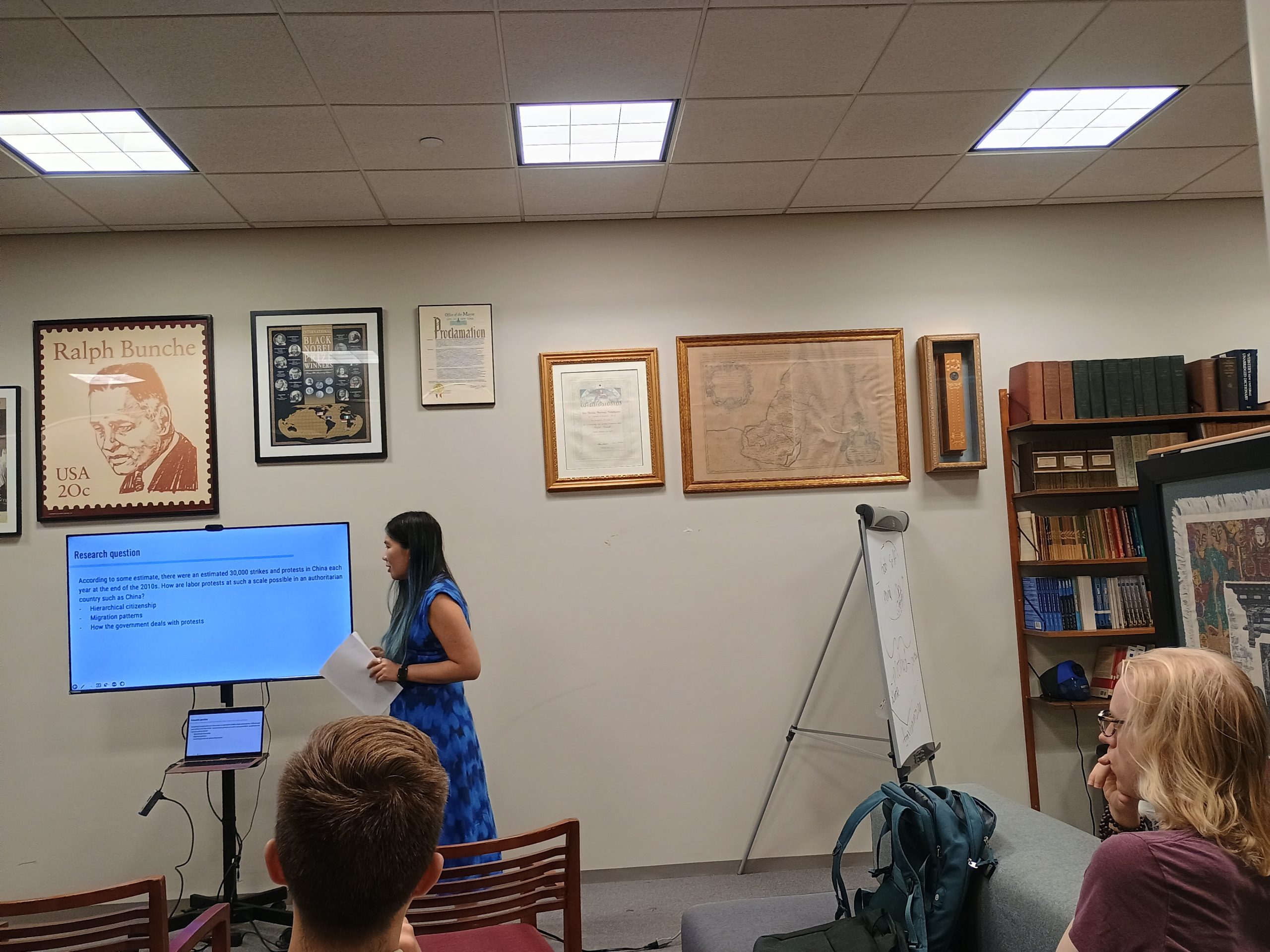
Perhaps the most unexpected connection for me was between the seminar discussions on the hukou system and my own research. Learning about China’s internal labor migration regime, the way it creates a dual existence for workers who are simultaneously embedded in their new working environments and tied to their sending communities in ways that continue to shape their living conditions and future imaginaries, resonated deeply with what I study in my own project on late modern Middle Eastern coalfields. The hukou system and the Ottoman capitulatory regime are structurally very different, but both produce stratified, legally differentiated workforces in ways that I now think deserve more contemplation.
I leave the CACI seminar with a richer comparative toolkit, a set of concrete pedagogical strategies, and a genuine interest in integrating China into both my teaching and my thinking about labor, migration, and legal regimes across empires. More importantly, I met wonderful people and had great time along the way.