CACI Fall 2026 Fellows
Teaching Fellows
Sandra Davidovic
My research focuses on conflicts, state collapse, and peacebuilding, with a regional focus on Eastern Europe. As part of the International Organizations class, I have been teaching about the role of China in the international order, including the history of China’s engagement with international organizations in relation to its domestic political development, the rise of China and China-led institutional initiatives, and China’s evolving position within global governance structures, with particular attention to institutions such as BRICS, SCO, and AIIB. A separate section of the course focused on the Belt and Road Initiative as a major instrument of Chinese foreign policy, economic diplomacy, and infrastructure-based international influence.
Firat Koklu
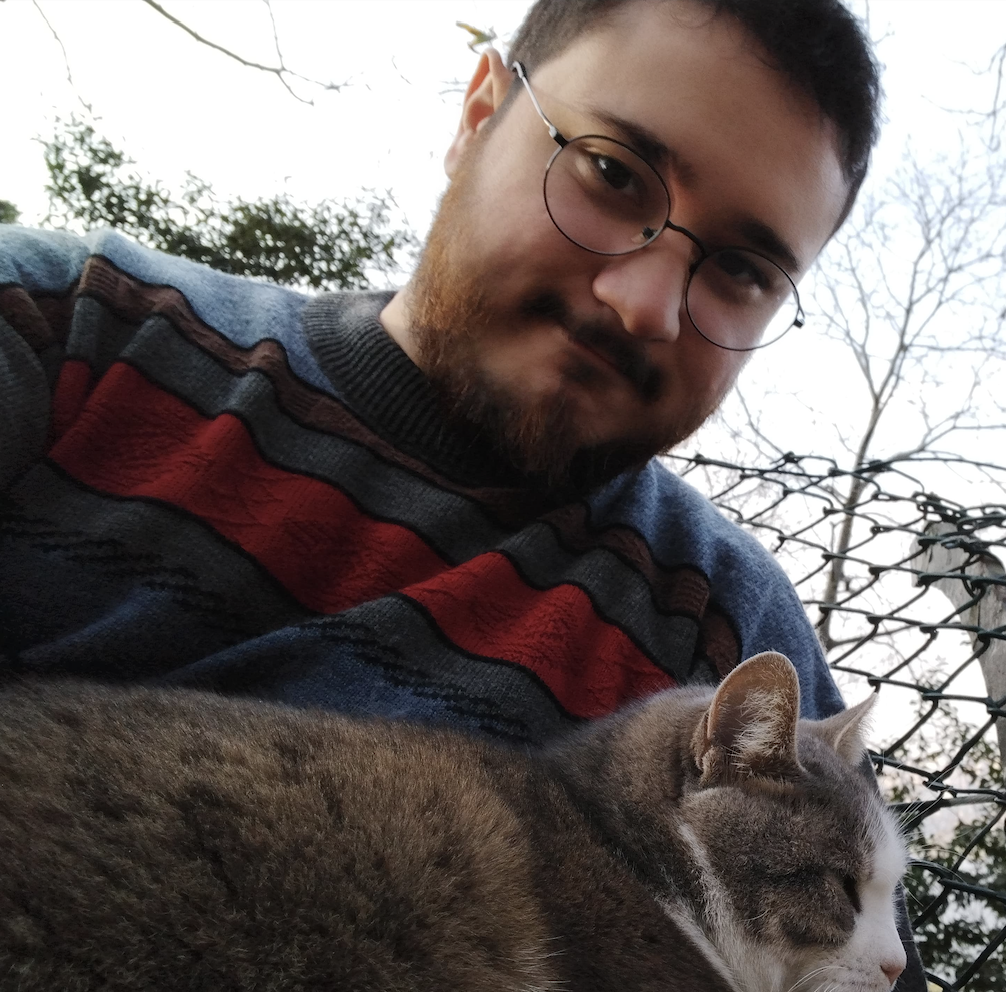
I am a second-year PhD student in History at the CUNY Graduate Center, specializing in late Ottoman and modern Middle Eastern history. My research focuses on labor migration, workforce stratification, and the role of extraterritoriality and capitulatory regimes in shaping labor relations in the late Ottoman coalfields. I teach Ottoman History and Islamic Civilizations at Lehman College. As a CACI Teaching Fellow, I plan to integrate China-related content into my Ottoman History course through a comparative framework, examining Ming and Qing China alongside the Ottoman Empire to help students understand broader global transformations in the early modern and late modern periods.
Aline Van Neutgem
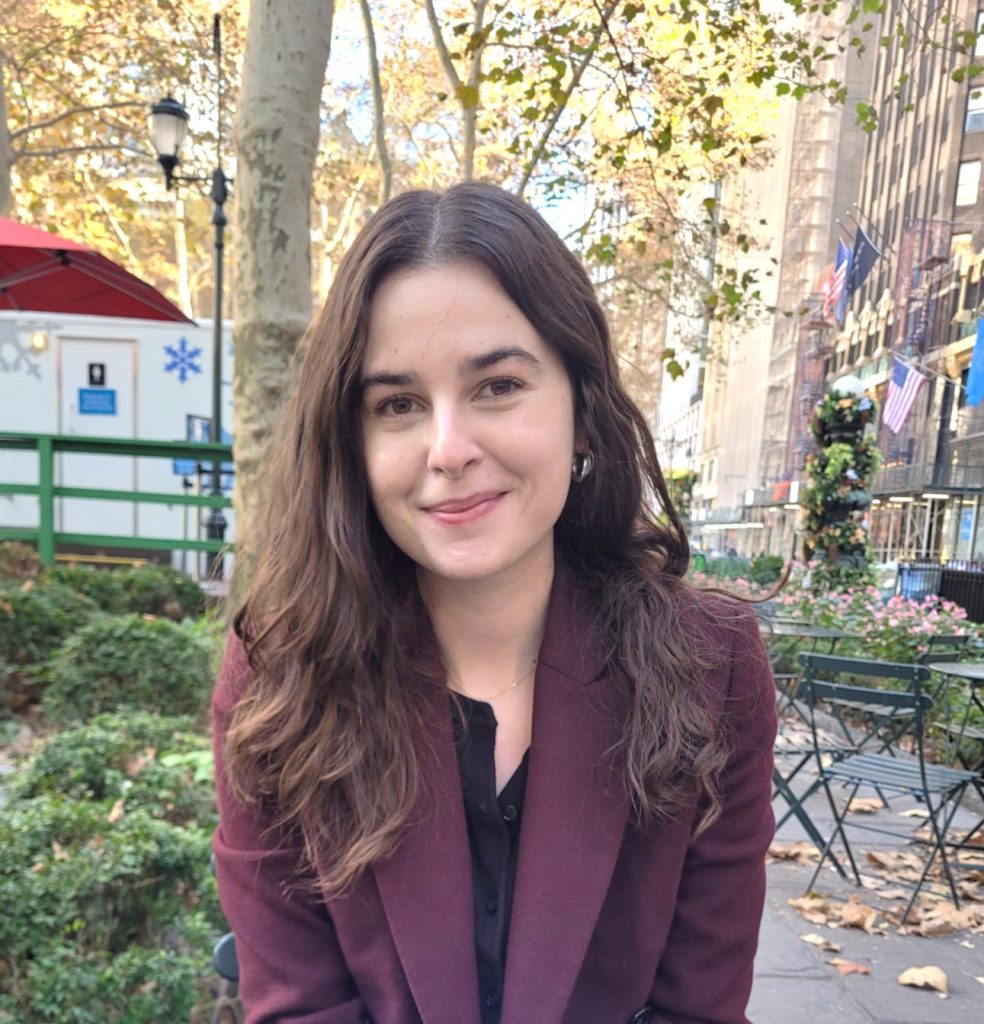
Aline Van Neutgem is a PhD student in Political Science at the CUNY Graduate Center and an Instructor at Queens College, specializing in political theory and comparative politics. Her research examines the intersections of power, justice, and gender, with particular attention to how policy shapes the lives of marginalized communities. She is especially interested in the implementation of conversion therapy bans across different national contexts, drawing on feminist theory and critical policy studies to analyze how gendered and sexual norms inform policy outcomes. During Fall 2026, Aline is incorporating China-related content into her methods course by focusing on case selection logic in comparative politics. She plans to explore China as a study case alongside other countries to illustrate most-similar and most-different systems designs.
Aman Roy
My research focuses on the politics of urban transformation in India, paying close attention to forms of land re-distribution, municipal tech and caste-class dynamics. I work in Nagpur, Central India where I engages with municipal activists, engineers and land-title applicants. Before my PhD he worked for several years on urban policy and housing activism in Delhi. My experience and academic interests have aligned around questions of land-distribution as it is being incorporated into the reproduction of populism/authoritarian rule in India. The mediums I focus on to make this argument attend to shifts in materiality (paper/digital), histories of land-activism (anti-caste) and new forms of spatial segregation (debt/rentier capitalism).
Juan Camilo Rua Serna
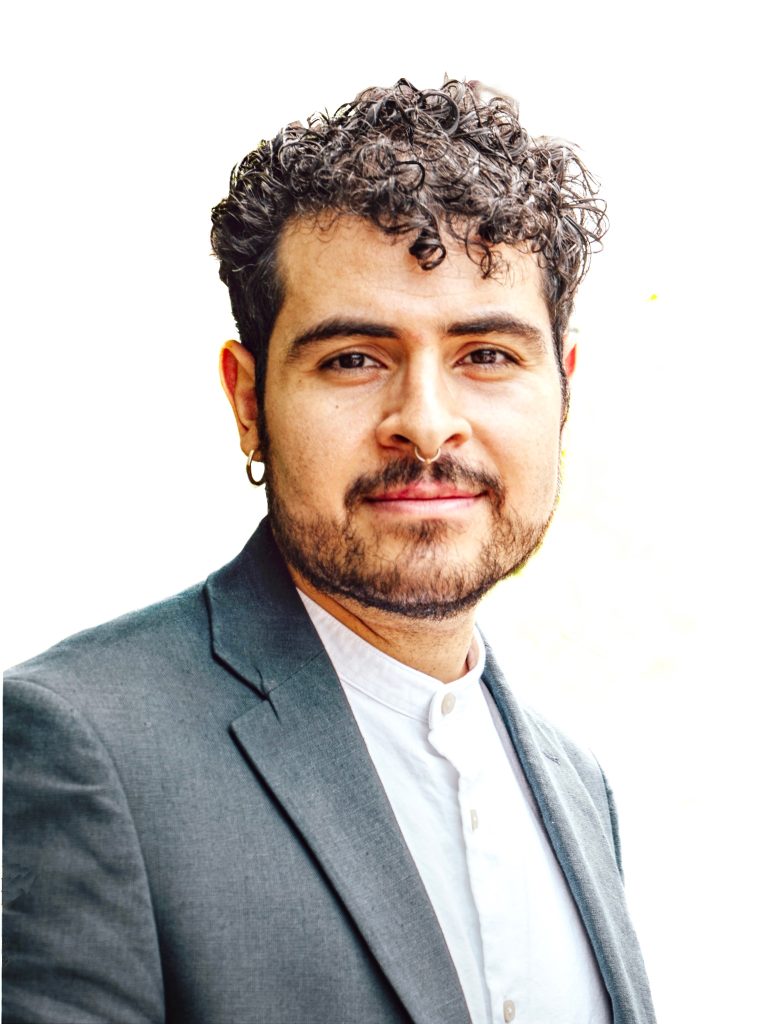
I am a Ph.D. student at the CUNY Graduate Center, specializing in International Relations and Comparative Politics. My research focuses on the intersection of immigration, border politics, human rights, and international organizations. I am particularly interested in understanding how integration policies work, how immigrants think about political participation, and the relationship among integration, democracy, and citizenship. I am very excited to learn about China’s ideas on political participation, how Chinese political thought conceives democracy, and what we can learn about our own political regimes through comparative analysis.
Seminar Fellows
Luis E. Banegas
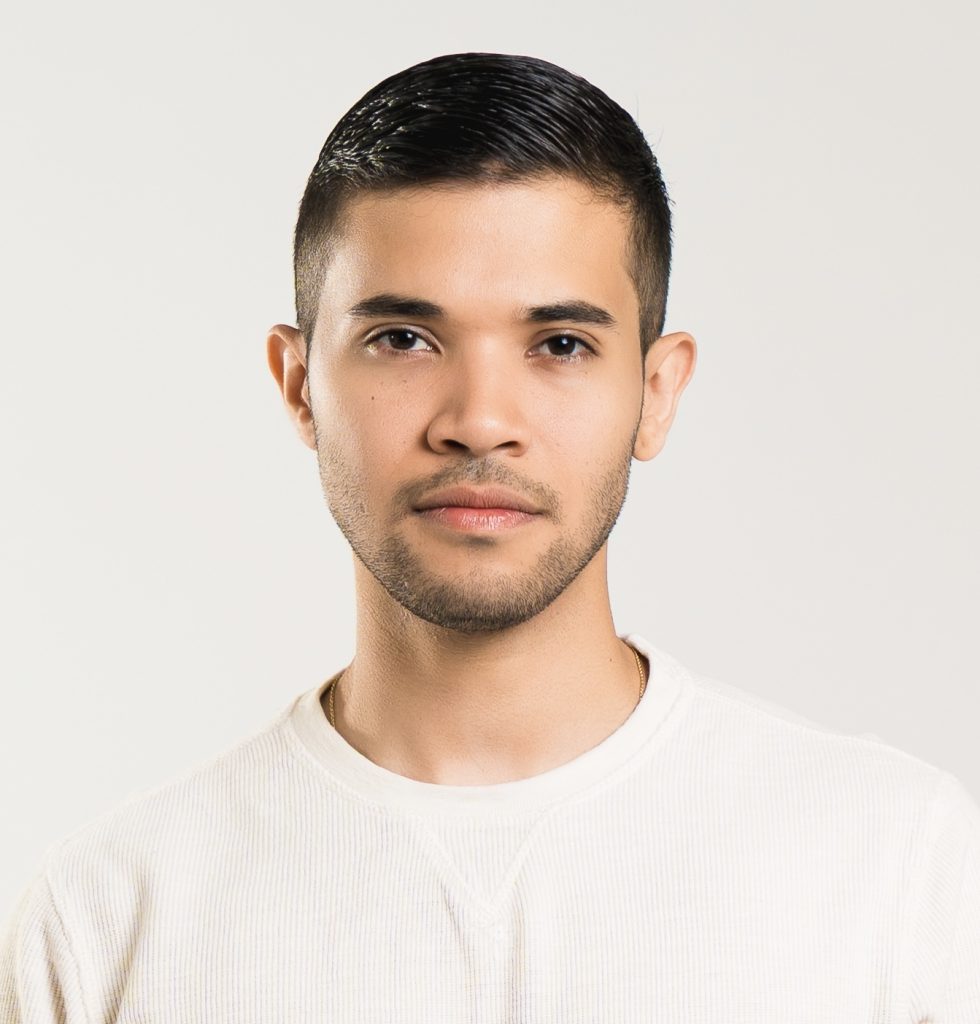
Luis E. Banegas is a PhD student in Sociology at the CUNY Graduate Center. His research examines the intersections of gender, migration, and immigration enforcement, with a focus on how Central American boys and men seeking asylum are treated within the U.S. immigration system. Luis will be teaching Introduction to Sociology, in which he will explore the history of Chinese migration and exclusion in the United States as a lens for examining how the state shapes ideas about who belongs.
Maricarmen Canales-Moreno
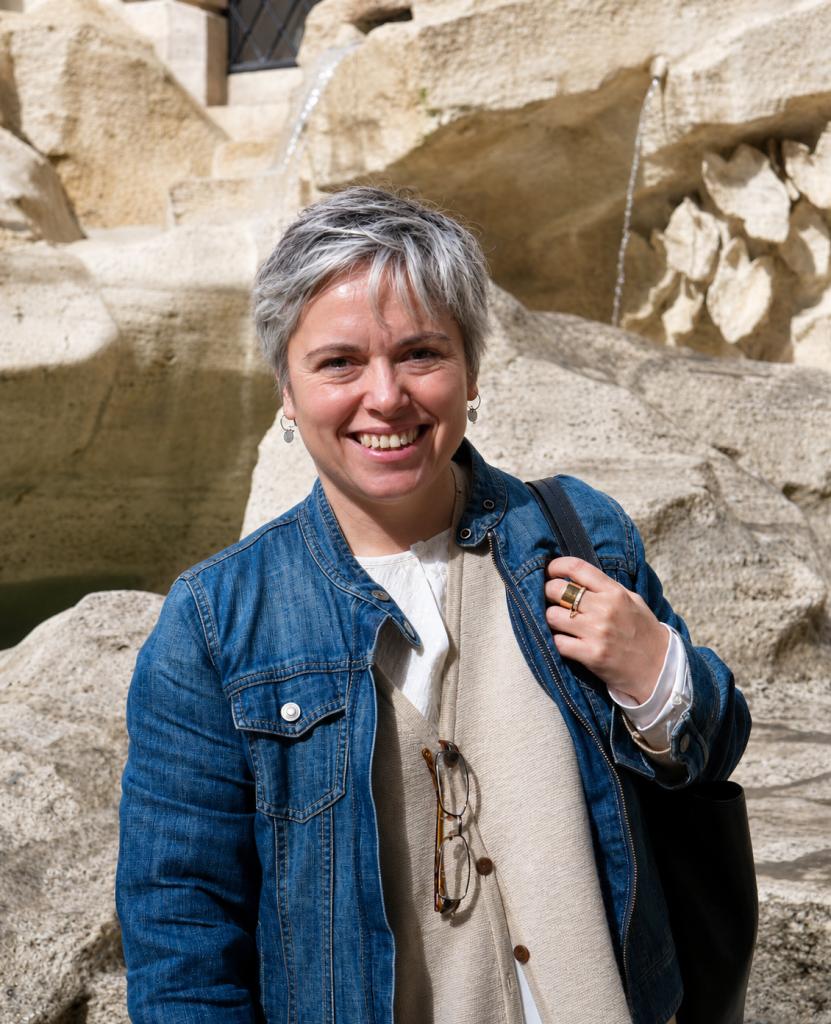
I am a Ph.D. candidate in History, specializing in Latin American political history, human rights, and memory studies. My dissertation, The Language of Legitimacy, compares women led human rights organizations in post dictatorial Argentina and Chile—particularly the Madres de Plaza de Mayo and the Agrupación de Familiares de Detenidos Desaparecidos—to analyze how gendered kinship, maternal activism, and democratic transition shape the marginalization or incorporation of civil society actors. My work combines archival research, oral histories, and feminist theory to examine how states selectively recognize and disavow the moral authority of human rights movements over time. At the same time, developing an introductory seminar on China that integrates my interest in decolonial perspectives and applies a comparative approach to the study of modern Chinese history, state formation, and social movements is of central importance to me. Through the CACI seminar, I hope to deepen my understanding of contemporary China and its global interconnections, enabling me to teach students to analyze authoritarianism, democratization, and the politics of memory from a comparative perspective that extends beyond Latin America.
Natalie Erazo
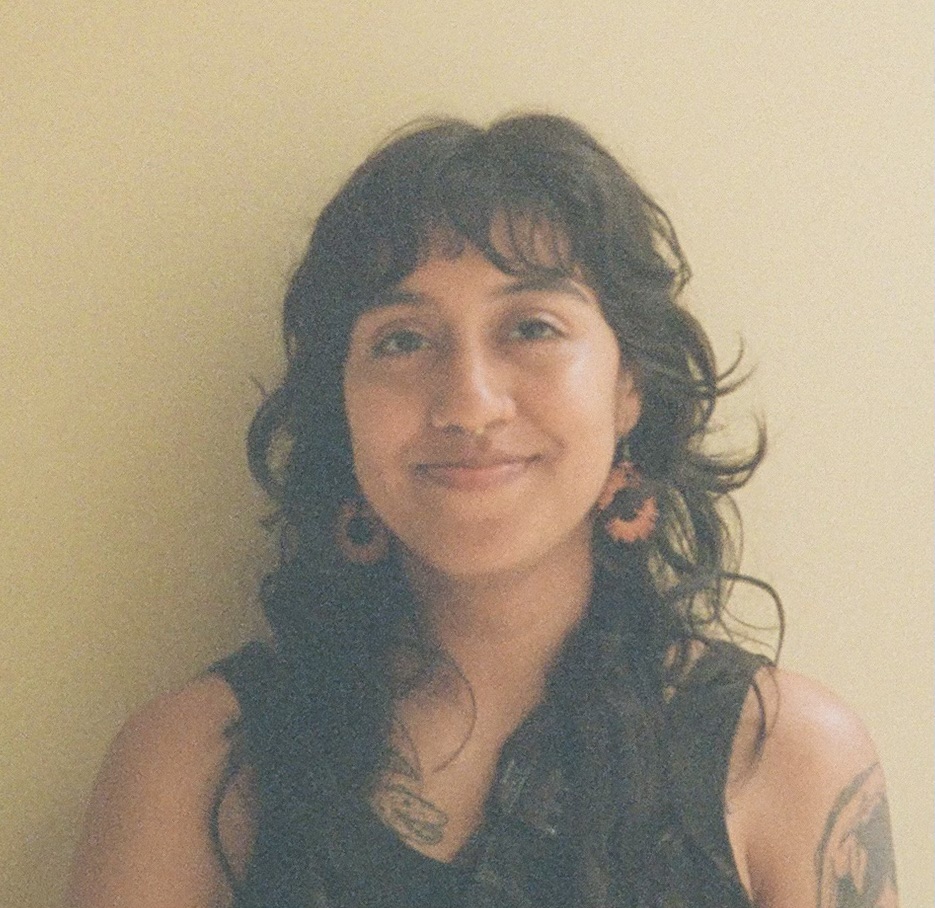
Natalie Erazo (she/they) is a PhD student in cultural anthropology at the CUNY Graduate Center. Her research focuses on feminist commoning projects in Cali, Colombia. Natalie earned their BFA in Film & Television Production from NYU’s Tisch School of the Arts and recently completed an M.A. in Women’s and Gender Studies from the Graduate Center. With a background in film production and public programming, Natalie is a cultural worker and has lived in Lenapehoking/NYC since 2012. Through CACI, Natalie looks forward to learning more about social movements and cross-cultural solidarites between China and Latin America.
Reina Gattuso
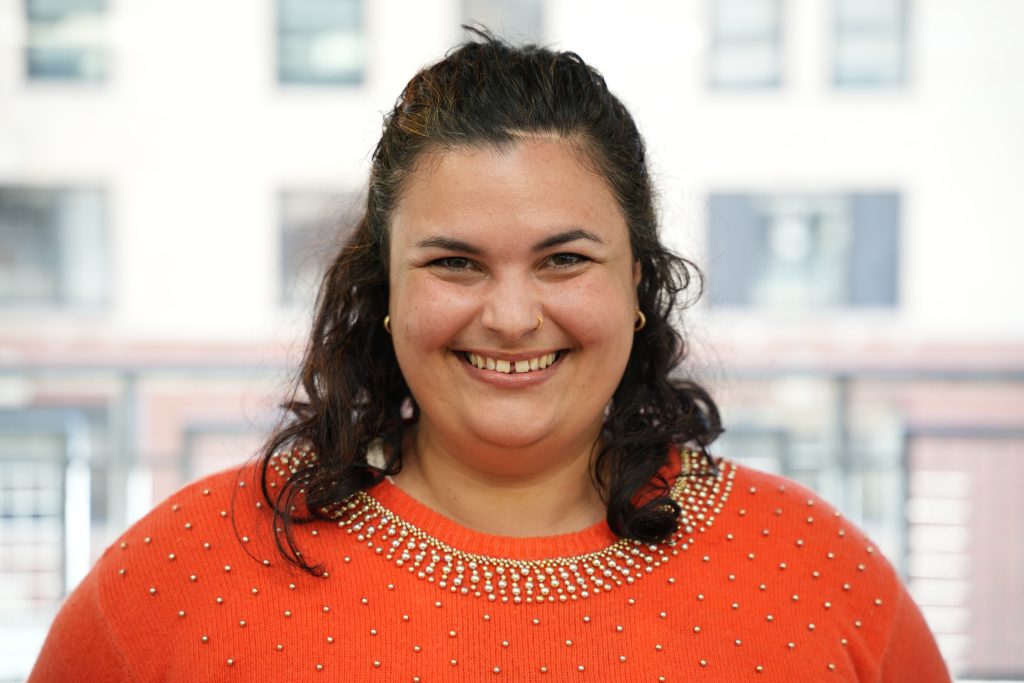
Reina Gattuso teaches cultural anthropology at Hunter College, and is a PhD student in Anthropology at the CUNY Graduate Center. Her research and writing, including her work as a contributing writer at cultural learning platform Curationist, focus on how culture travels internationally. She is also interested in how our identities are shaped through bodily movement, and is a student of kathak Indian classical dance. Through the CACI fellowship, Reina hopes to better incorporate anthropological work about China into her teaching, and hopes to gain a better understanding of how cultural notions of the body circulate within Asia, and between Asia, Europe, and the U.S.
Devin Sudweeks
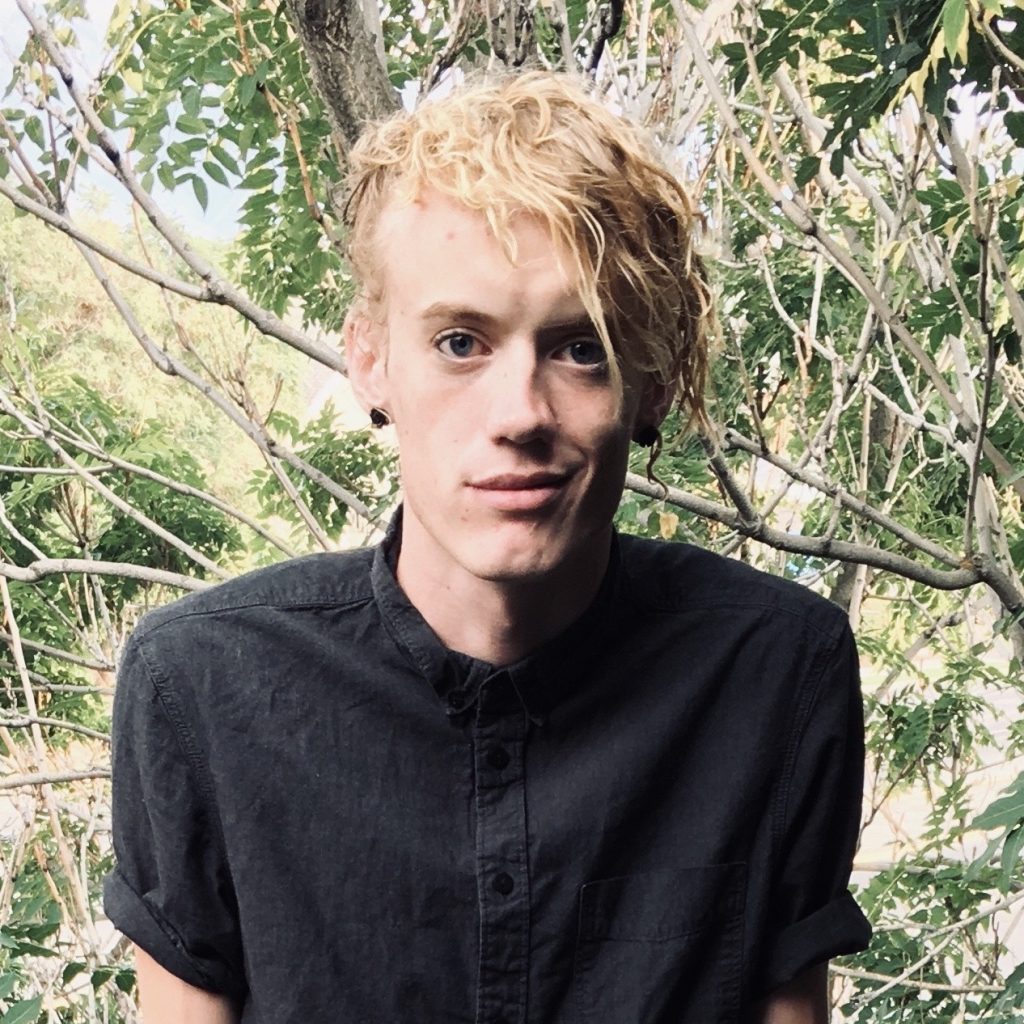
Devin is a linguistic anthropology PhD student who researches pluralism and power in the culture industries of Taiwan, including its museums, galleries, and public art. Local agents have increasingly acknowledged the many overlapping cultures, ethnicities, languages, and voices present in the region, but colonial inequalities remain. As a starting point, Devin centers curators who bundle these voices together in narratives intended for various publics. Professional experience in media production and museum education informs Devin’s research. Their educational background is diverse, having received a B.A. in Media Arts Studies from Brigham Young University and an M.A. in Anthropology from Hunter College, CUNY. They also studied production design at the American Film Institute Conservatory. Devin’s interest in East Asia developed crystallized during their undergraduate as they took classes on Chinese language, culture, and geography while getting to know Mandarin-speaking people from Mainland China, Taiwan, Singapore, and the United States. Devin joined CACI to gain a broader knowledge of the Chinese cultural sphere beyond their own discipline. In collaboration with other CUNY scholars, they hope to develop and share research with polyphonic voices.